Nursery • Infant Safe Sleep
Baby Blankets and Safe Sleep: What Caregivers Need to Know
A soft blanket can be lovely for a cuddle, a supervised playtime or a cool-weather outing. But when a baby is sleeping, the safest sleep space is a clear one. Here’s how to enjoy baby blankets in appropriate settings—and keep an infant’s sleep area free of loose bedding.
The essential distinction: cuddling versus sleeping
Blankets are part of many families’ most tender routines: an extra layer during a stroller walk, a soft surface for supervised floor time, or something to wrap around a caregiver and baby during a quiet cuddle. Those uses are different from placing a blanket in an infant’s sleep space. For sleep, caregivers should follow current safe-sleep guidance from their pediatrician and public health authorities: put babies down on their backs, on a firm, flat sleep surface, with only a fitted sheet and no loose bedding or soft objects.
That means no loose blanket—whether it is lightweight cotton, a plush knit, a down-filled layer, or a treasured hand-me-down—should be placed over or beside a sleeping infant in a crib, bassinet or play yard. Soft items can cover a baby’s face or create other hazards. A blanket’s softness, breathability or natural fiber content does not make it appropriate as loose bedding for an infant’s sleep space.
This guidance can feel counterintuitive to adults who associate blankets with warmth and comfort. The key is to think about the setting and the baby’s age, not simply the material. A blanket can be useful when an adult is awake and closely supervising; it should be removed before the baby is placed down to sleep. If a baby falls asleep during a cuddle or outing, move them to an appropriate, clear sleep surface as soon as it is practical and safe to do so.
What a safe infant sleep space looks like
A safe sleep setup is intentionally simple. Use a crib, bassinet or play yard that meets applicable safety standards, with a firm, flat mattress and a fitted sheet designed for that surface. Keep pillows, quilts, comforters, loose blankets, stuffed toys, bumpers and other soft objects out of the sleep area. Avoid improvised padding, positioners and products that have not been recommended by a qualified health professional.
Place a baby on their back for every sleep—naps as well as nighttime sleep—unless a clinician gives you specific medical instructions that differ. Back sleeping is recommended even as babies grow and begin to move. Caregivers should continue to keep the sleep space clear rather than adding a blanket because a baby can roll or seems more settled with extra bedding.
Room-sharing, when possible, is commonly recommended: the baby sleeps in their own separate sleep space in the caregiver’s room, rather than in an adult bed. Adult beds, sofas and armchairs are not safe substitutes for a crib or bassinet, especially if a caregiver might doze off. If you are tired during a feeding or cuddle, plan ahead: place the baby back in their sleep space before you fall asleep, and ask another adult for help when available.
Safe-sleep recommendations are general guidance, not a substitute for individualized medical care. If your baby was born early, has a health condition, or has particular temperature or positioning needs, ask your pediatrician how to adapt the sleep environment safely. Be cautious about advice from social media or product packaging that promises to make a loose blanket safe for sleep.
Warmth without loose bedding
Caregivers often reach for a blanket because they worry that a baby might feel cold. Instead of adding loose bedding, choose clothing and room conditions that help keep the baby comfortable. A properly sized wearable blanket or sleep sack may be an option when used according to its instructions and current safe-sleep guidance. It should fit appropriately and should not be weighted. Do not use a swaddle once a baby shows signs of trying to roll, and follow your clinician’s advice about whether swaddling is suitable for your child.
Babies can become too warm as well as too cool. Consider the room temperature, the baby’s clothing and any sleepwear layers together; avoid covering the head indoors or bundling a baby so heavily that they become overheated. Sweating, a hot chest or flushed skin may be signs to check for excess warmth. Hands and feet can feel cooler than the rest of the body, so they are not always a reliable way to judge whether a baby needs another layer.
There is no single room temperature or clothing combination that fits every home and every baby. Follow local health guidance and ask your pediatrician for help if you are unsure, particularly for a newborn or a baby with special health needs. When in doubt, choose a clear sleep space and adjust the baby’s clothing rather than adding a loose blanket.
Using a baby blanket during awake time
There are plenty of appropriate moments for a baby blanket outside the sleep space. An adult might use one for a supervised cuddle while fully awake, or spread it on the floor for a brief play session while staying within arm’s reach and watching the baby. A blanket may also be useful for comfort during a stroller outing, provided the baby’s face stays uncovered, airflow is not blocked, and the adult remains attentive to temperature and the child’s position.
Supervision means more than being in the same room. Stay close enough to notice if fabric shifts toward the baby’s face, the baby becomes too warm, or the blanket bunches around their body. Keep loose fabric away from the mouth and nose. Once the activity ends—or if the baby becomes drowsy—remove the blanket and use the recommended sleep arrangement if the baby needs to sleep.
Car seats require particular care. Bulky clothing and blankets placed beneath a harness can interfere with a secure fit. Follow the car-seat manufacturer’s instructions and your pediatrician’s guidance. Keep the harness properly positioned and snug, and add warmth over the secured harness only in a way that does not compromise its fit or cover the baby’s face. Never leave a baby unattended in a car seat outside the vehicle, and do not treat a car seat as a routine sleep surface.
For any outing, consider the weather, direct sun, wind and the baby’s clothing. A blanket can be a convenient layer, but it should never block the baby’s face or compromise supervision. In warm conditions, a covered stroller can trap heat; follow stroller guidance and check the baby regularly rather than relying on a fabric layer to manage temperature.
What to look for in a nursery blanket
When choosing a blanket for supervised use, practical details matter more than promises that it will improve sleep. Consider how the fabric feels against delicate skin, how easily it can be laundered, and whether its construction suits the setting where you plan to use it. Breathable, lightweight fabric may be convenient for cuddles or an outing, but it does not change the rule against loose bedding during infant sleep.
- Material: Look for clear information about fiber content and any finishes or treatments. Families may prefer cotton or another familiar, gentle-feeling textile, especially when caring for sensitive skin.
- Construction: A simple, sturdy weave and secure edges are practical for frequent handling and washing. Check for loose threads, damaged seams, decorative pieces or other details that could become a hazard.
- Size and portability: A smaller, lightweight blanket can be easier to pack for supervised use. Keep it away from the baby’s face and remove it before placing the baby down to sleep.
- Care instructions: Choose something that fits your household’s laundry routine. Wash it as directed, especially after spills or outdoor use, and inspect it regularly for wear.
- Certifications and claims: Read what a certification actually covers. A textile certification may provide information about materials or manufacturing; it is not a safe-sleep certification and does not make loose bedding suitable for a crib.
A breathable weave can make a blanket comfortable for supervised cuddling, but “breathable” is not a guarantee against risk if a baby sleeps with the fabric in the sleep space. Likewise, organic cotton describes a material or production standard, not a different safe-sleep rule. Use the right blanket for the right activity, and keep the infant’s sleep surface uncluttered.
A closer look at a lightweight cotton option
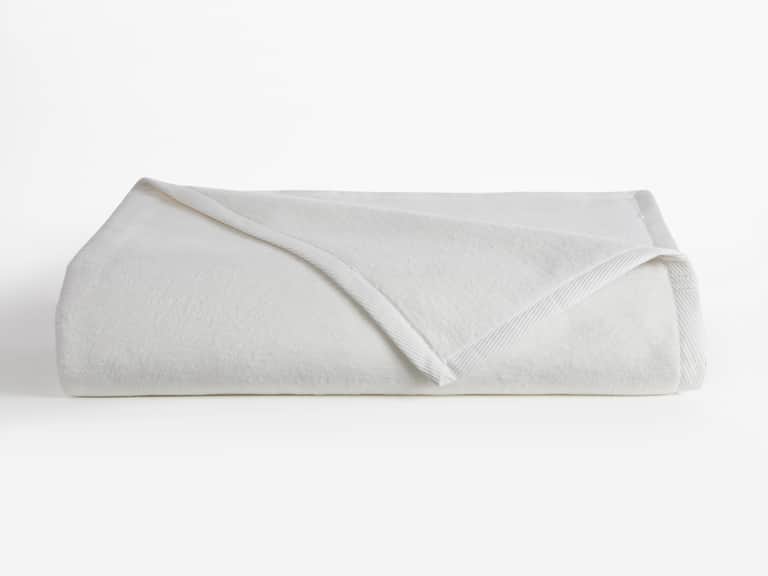
The Naturepedic Organic Cotton Waffle Baby Blanket is described as a GOTS-certified organic cotton blanket with a textured waffle weave. Its product information lists an approximate size of 30 by 40 inches, machine washing in warm water and tumble drying on low. Those details may be useful for caregivers looking for a portable textile for supervised cuddling, playtime or an outing.
As with any nursery blanket, its fabric, weave or certification does not make it appropriate to leave in an infant’s sleep space. It is not a substitute for a fitted sheet, a safe sleep surface or a wearable blanket intended for sleep. Check the item’s current care label and product instructions, and use it only in settings consistent with safe-sleep guidance.
Product descriptions can help explain a blanket’s construction and care, but they cannot assess an individual infant’s health needs or guarantee safety in every situation. If a claim sounds like it promises safer sleep because of a textile feature, discuss it with your pediatrician rather than relying on marketing language.
A simple routine for caregivers
Small habits can make the distinction between blanket use and safe sleep easier to remember, especially during busy days and overnight wake-ups. Before each sleep, check that the baby is on their back on a firm, flat surface and that the space contains only the fitted sheet. Keep a supervised-use blanket nearby for cuddles if you like, but place it outside the crib or bassinet when it is not in use.
- Prepare the baby’s sleep space before the bedtime routine, leaving out blankets, pillows and toys.
- Use comfortable, appropriately sized sleepwear or a suitable wearable blanket if needed, following product and health guidance.
- Use a regular blanket only while an awake adult is actively supervising an appropriate activity.
- Remove the blanket before setting the baby down for sleep, even if it was used during a cuddle or stroller trip.
- Ask a pediatrician about questions that relate to your baby’s age, development, health or temperature needs.
Caregivers, grandparents and babysitters may have learned different routines at different times. A friendly, direct explanation helps everyone follow the same plan: “We use this blanket for cuddles, but we keep the crib clear for sleep.” Consistency makes it easier to respond calmly when a baby nods off unexpectedly.
Common questions about baby blankets
Can a lightweight or breathable baby blanket go in the crib?
No. Lightweight construction does not make a loose blanket appropriate for an infant’s sleep space. Keep the sleep area clear of loose bedding and use suitable clothing or a wearable blanket according to current guidance.
What if my baby falls asleep under a blanket during a cuddle?
Move the baby to an appropriate, clear sleep surface when you can do so safely. Do not leave the blanket in the crib, bassinet or play yard. If you are holding the baby, stay awake and attentive; if you feel drowsy, place the baby in their own sleep space.
Does organic cotton make a blanket safer for sleep?
Organic describes aspects of how a fiber is grown or produced; it does not change safe-sleep recommendations. An organic cotton blanket can be a material choice for supervised use, but it should not be left loose with a sleeping infant.
When can a child sleep with a regular blanket?
There is no blanket age that should be assumed to fit every child or situation. Follow current pediatric guidance and consider the child’s development and the sleep environment. Ask your child’s clinician if you are unsure when loose bedding is appropriate.
Comfort and safety can belong in the same routine
A baby blanket can be a useful, comforting part of family life without becoming part of the baby’s sleep setup. Choose a fabric that is practical to wash and pleasant to handle; use it for supervised cuddles, playtime or outings; and remove it before sleep. For rest, return to the essentials: baby on their back, a firm and flat surface, and a clear sleep space.
Those simple boundaries allow caregivers to enjoy the tenderness of a soft nursery layer while making safe sleep the priority. When questions arise, your pediatrician and current public health guidance are the best sources for advice tailored to your baby.