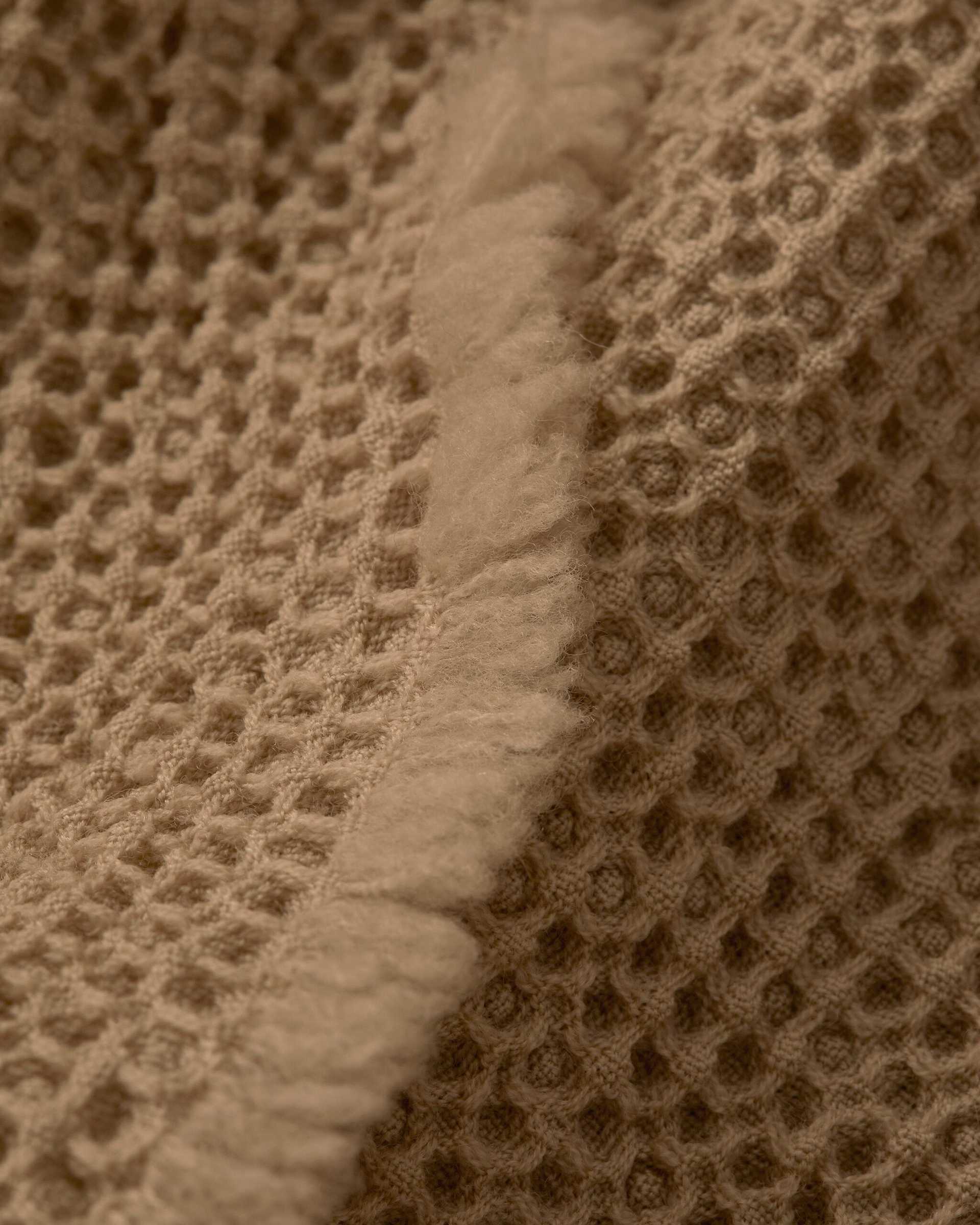
Blankets provide essential warmth and comfort across diverse environments, from cool bedrooms to nurseries. This category explores textiles, construction, and filling types that influence warmth, weight, and breathability. Understanding factors such as fiber origin, thread count, and weave helps match a blanket to climate, sleep preferences, and personal comfort needs, including hypoallergenic considerations.
Downblanket.com highlights a range of materials that influence thermal performance and durability. Wool blends offer natural moisture regulation and temperature balance, while down-based fillings provide loft and insulation. The interplay between fabric cover, fill power, and weight determines how a blanket feels in hand and how it performs through seasonal temperature shifts.
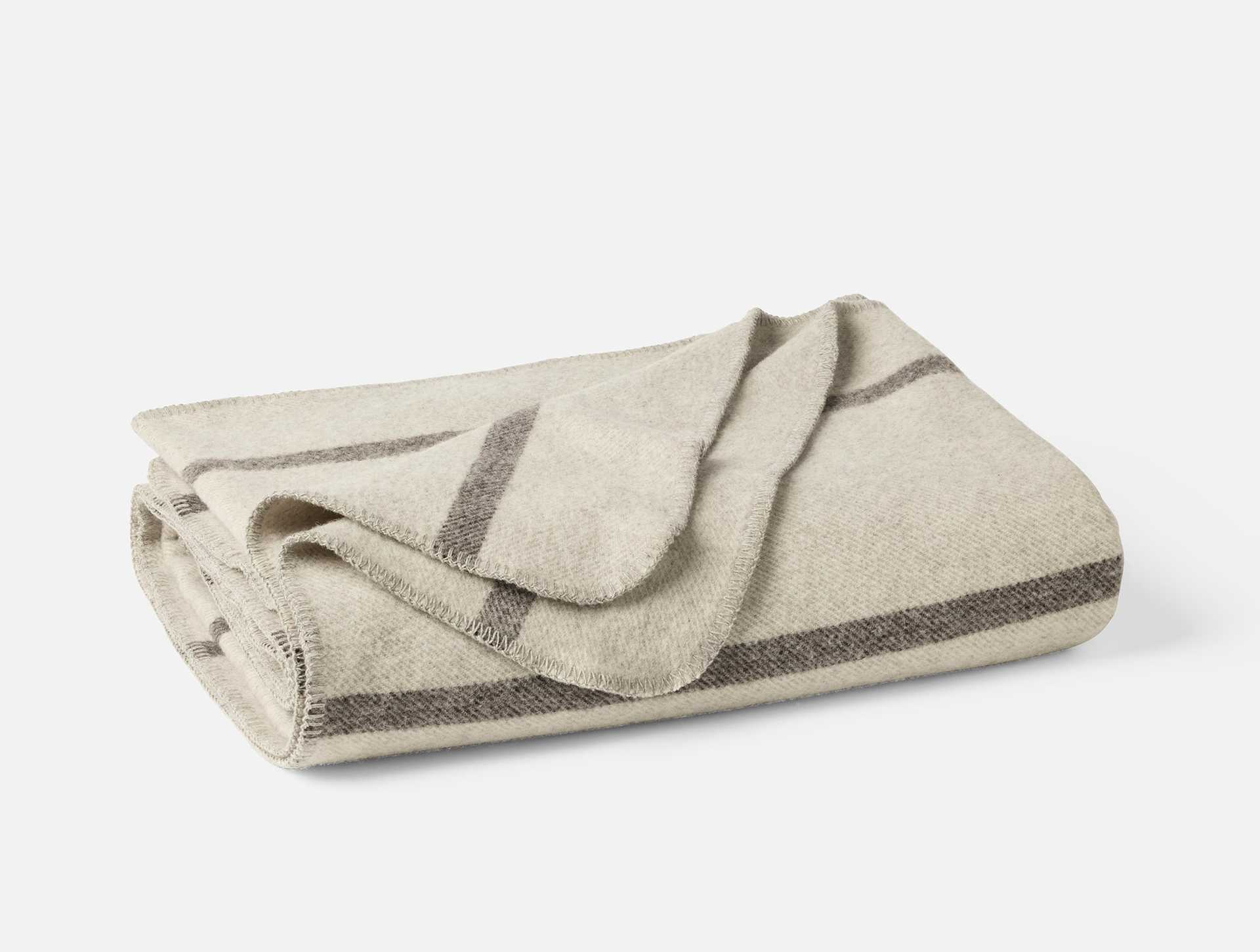
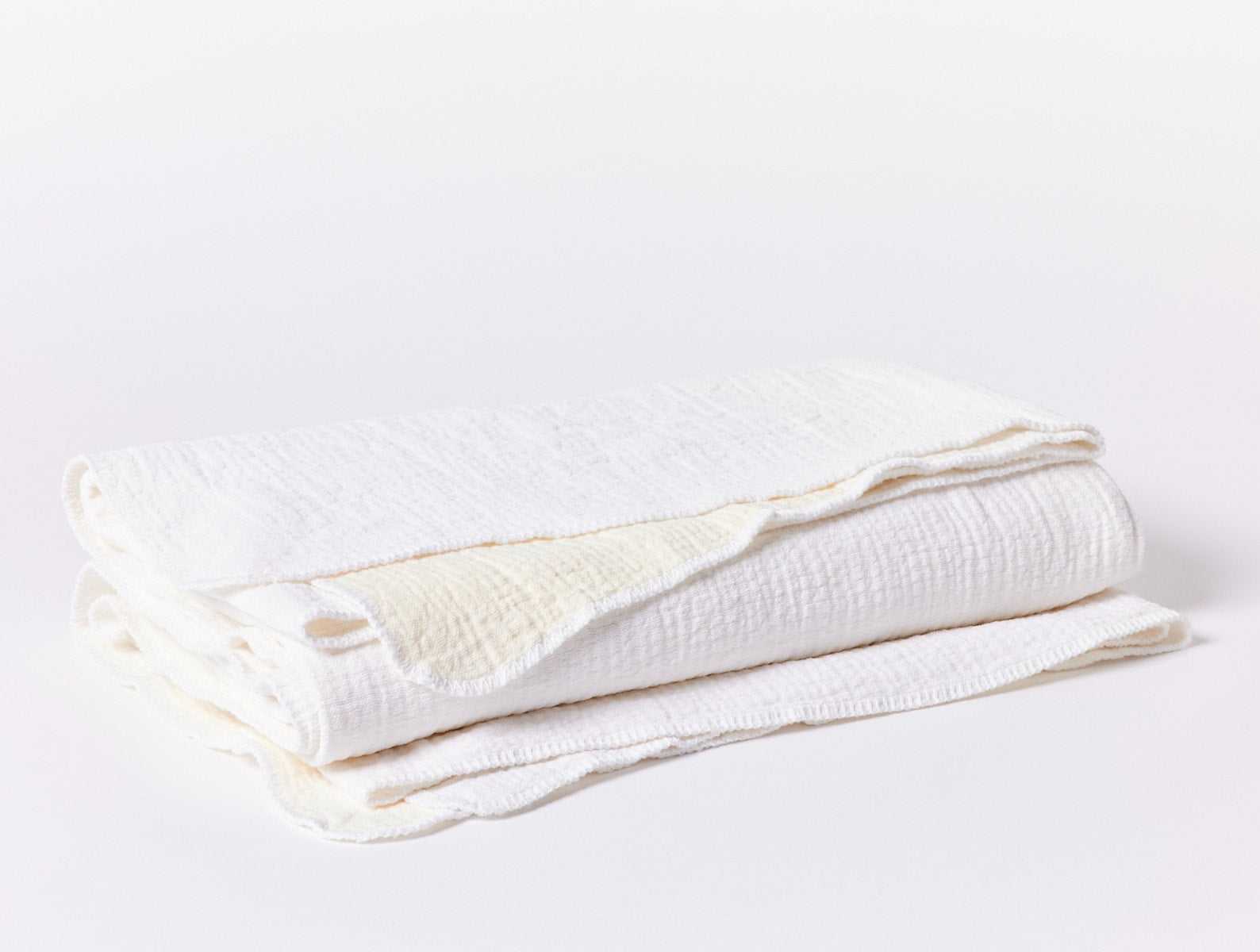
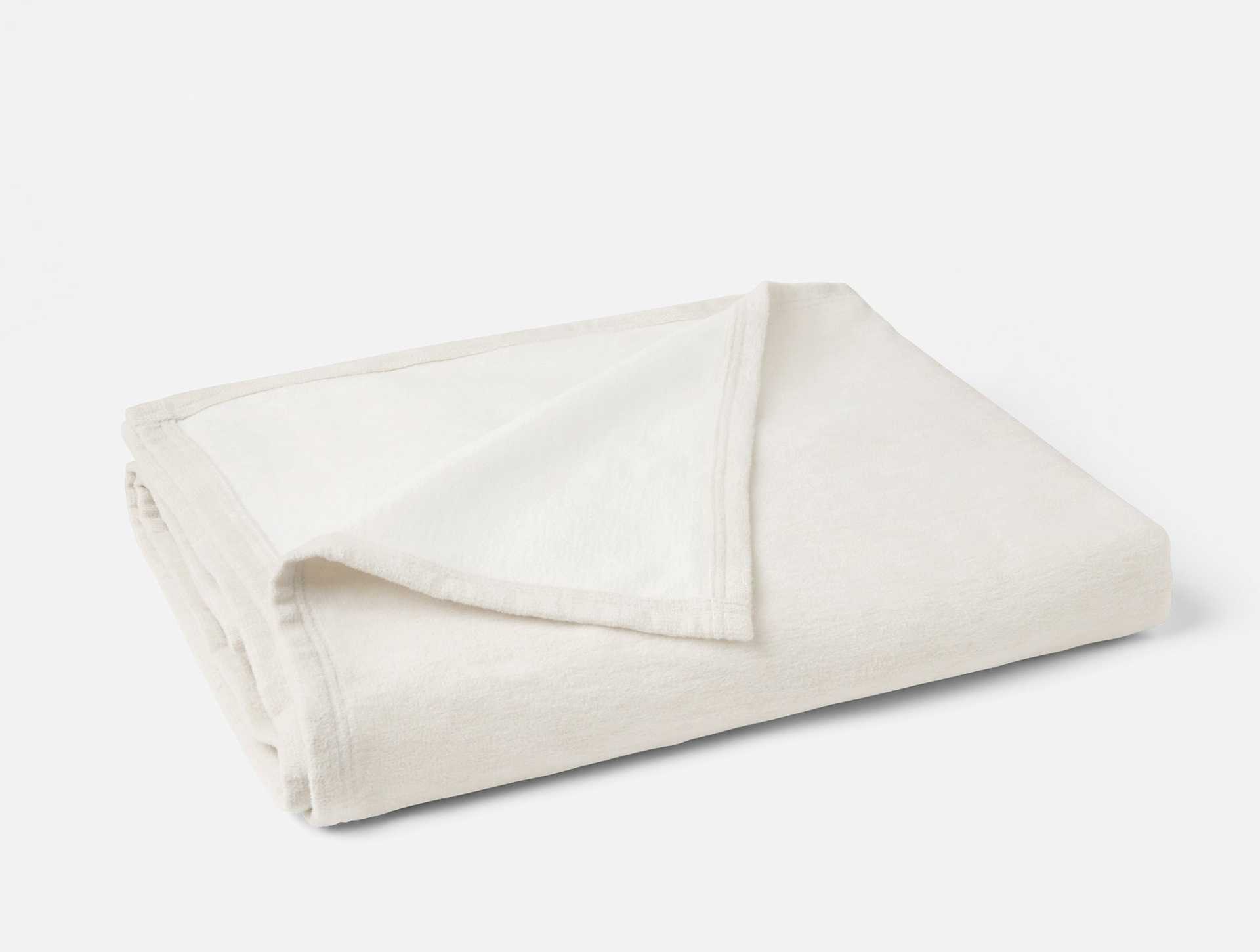
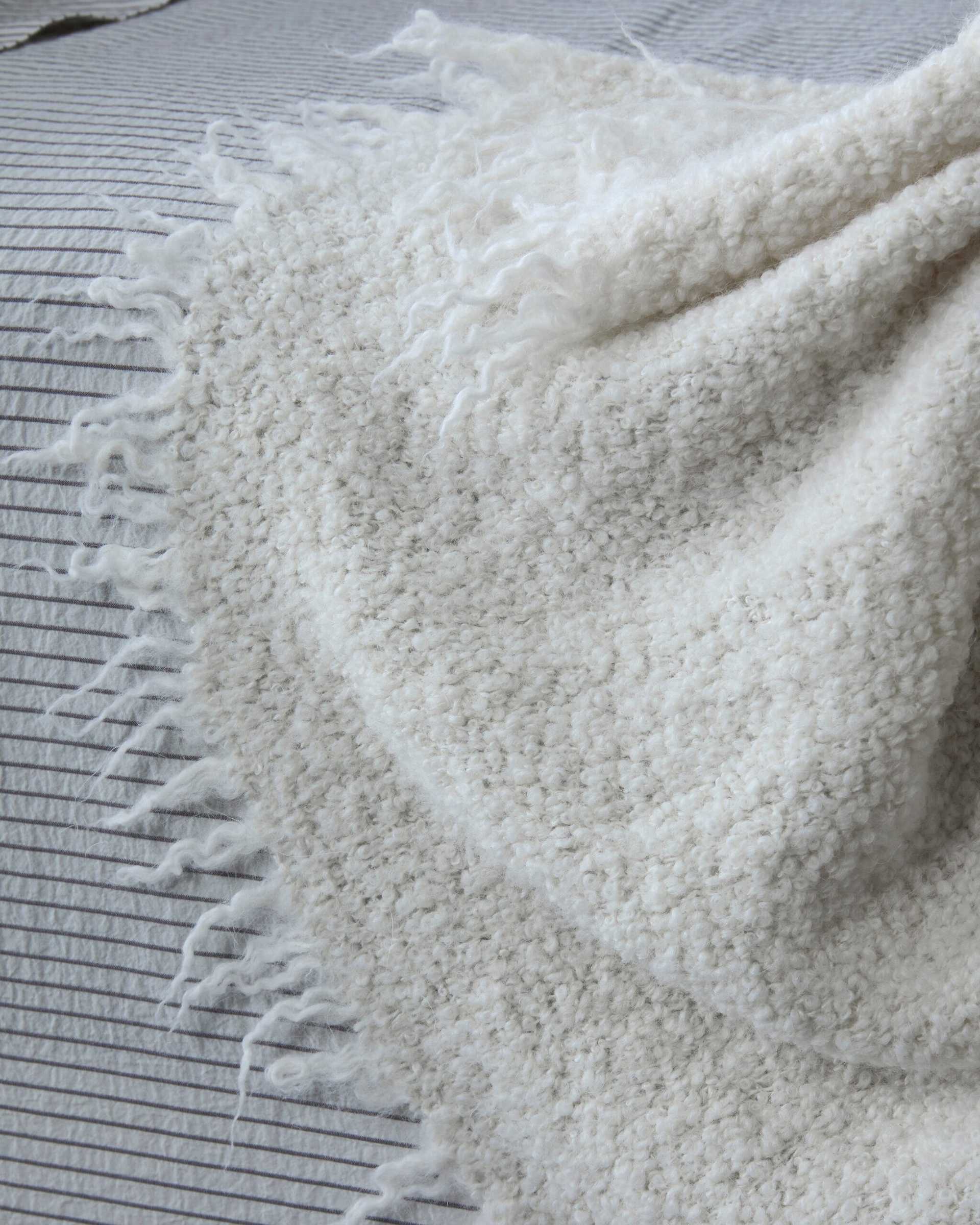
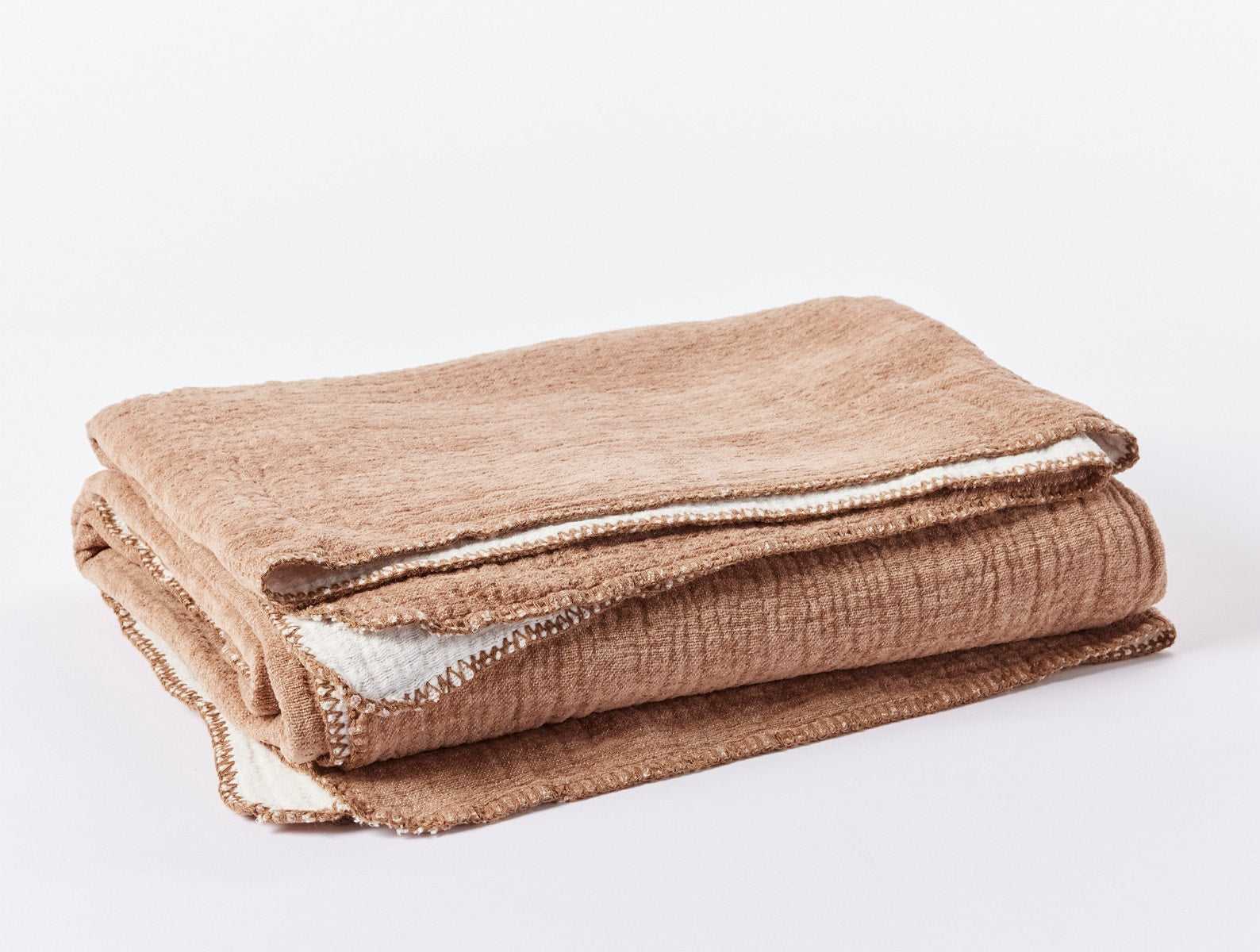
Key product options include the Tahoe Wool Blanket, Des Blanket, Tuis Blanket, and Nid Blanket, each with distinct features. The Tahoe Wool Blanket emphasizes natural warmth and sculpted texture, the Des Blanket focuses on lightweight versatility, the Tuis Blanket blends comfort with sturdy construction, and the Nid Blanket combines softness with durable fibers for everyday use; collectively they illustrate varied warmth profiles and care requirements.
Functional benefits across these blankets include temperature regulation, allergen resistance, and ease of care. Wool-based options naturally resist odors and maintain warmth even when damp, while down alternatives may deliver generous loft without excessive weight. Knowledge of fill power, fabric weave, and edge finishing supports informed decisions for different sleeping environments and nursery settings.
Technical considerations integrate with practical usability: select-for-purpose patterns include durable covers for high-traffic beds, breathable weaves for year-round comfort, and baby-safe materials for nurseries. This category aligns with bedding needs, featuring terms such as comforters, down comforters, and wool comforters, and emphasizes compatibility with standard bed sizes and care guidelines for long-term performance.
 Bedding