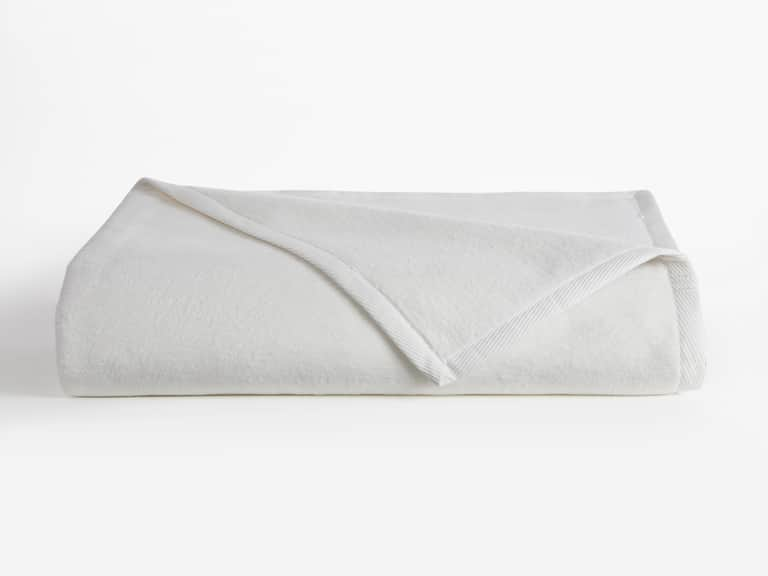
Petrol Blue Blanket

A Practical Guide to Sleep-Enhancing Bedding Materials: From Wool to Organic Cotton

Explore how different bedding materials influence comfort and sleep quality. This guide highlights natural fibers like wool and organic cotton, plus responsible sourcing considerations from trusted brands such as Naturepedic, Coyuchi, and Downtown Company.

Sleep science and the fabric of rest

Sleep is not merely a passive activity; it is a biological process influenced by the climate inside our bedrooms. The bedding we choose is a crucial mediator between our bodies and the environment. Materials with high breathability help regulate moisture and temperature, which in turn supports smoother sleep cycles. Wool, for instance, is renowned for its natural moisture-wicking and temperature-regulating properties. It keeps you warm when it’s cold and releases excess heat when the room warms up. Organic cotton offers a soft, hypoallergenic alternative that remains comfortable across seasons. Silk, with its delicate sheen and smooth hand, provides a breathable layer that can feel luxuriously light on the skin. These characteristics matter not just for comfort but for the quality of sleep itself.

In sleep research, a consistent sleep environment is repeatedly linked to improved sleep onset, reduced awakenings, and better REM patterns. The goal for a bedding guide is to translate science into practical decisions—how to layer warmth, how to manage humidity, and how to select fabrics that suit your climate and skin sensitivities.

Sourcing with integrity: what to look for

When shopping for bedding, the conversations around sustainability, ethical manufacturing, and safety start with the fiber and end with the finishing processes. Look for certifications such as GOTS (Global Organic Textile Standard) for organic cotton, and for wool, certifications that verify responsible farming and animal welfare. Brands like Naturepedic and Coyuchi are often cited as leading examples for organic and responsibly produced bedding materials. It isn’t just about the fiber; it’s about the full lifecycle—from field to loom to washing and care instructions. A well-chosen material also translates to simpler maintenance and longer lifespans, which reduces waste over time.

For dedicated readers of this guide, we emphasize transparency: seek products that disclose fiber origin, weaving methods, and care requirements. A blanket or coverlet is not just a decorative layer; it is a daily companion that interacts with your body heat, skin, and sleep rhythm.

Wool: warmth without bulk

Wool blankets and layers bring natural insulation, breathability, and moisture management. Merino wool, for instance, offers a fine hand that is both soft against the skin and highly adaptable to temperature changes. Wool fibers trap air, creating loft that can feel luxurious yet light. For sleepers who run warm, a lighter wool layer paired with breathable cotton sheets can provide optimal warmth without overheating.

Care considerations are important here: some wool items require dry cleaning or gentle washing; others may be machine-washable depending on weave and finish. Always follow the label to preserve warmth, texture, and color over time.

Organic cotton: softness, safety, sustainability

Organic cotton is celebrated for its softness and skin-friendly properties, making it a strong choice for sleepers with sensitivities. GOTS-certified organic cotton ensures that the fabric has been produced with strict environmental and labor standards. In practical terms, organic cotton blankets and coverlets tend to be breathable, easy to care for, and comfortable for year-round use. They pair well with lighter sleep layers in warmer months and can be layered with a warmer wool or down alternative when the temperature drops.

Coyuchi and Naturepedic offer notable options in this space, emphasizing transparency about fiber origin and eco-conscious production. Choosing organic cotton is a statement about comfort that respects both the wearer and the planet.

Silk: a lightweight luxury with temperature regulation

Silk blankets and throws provide a cool-to-the-touch feel that still offers warmth. A silk border or silk-rich weave can create a refined, elegant layer that doesn’t weigh you down. Silk is naturally breathable and hypoallergenic, making it appealing for sensitive or reactive skin. However, silk products often require careful cleaning to preserve luster and texture, typically dry cleaning or gentle hand washing as recommended by the maker.

In a practical sense, a silk layer can act as a year-round insulating layer—warm in winter, cool in summer—especially beneficial for those who experience night sweats or shifting room temperatures.

A curated look at notable products

To illustrate how these materials come to life, here are a few standout pieces that exemplify quality, care, and design. Displayed images are provided for reference where available.

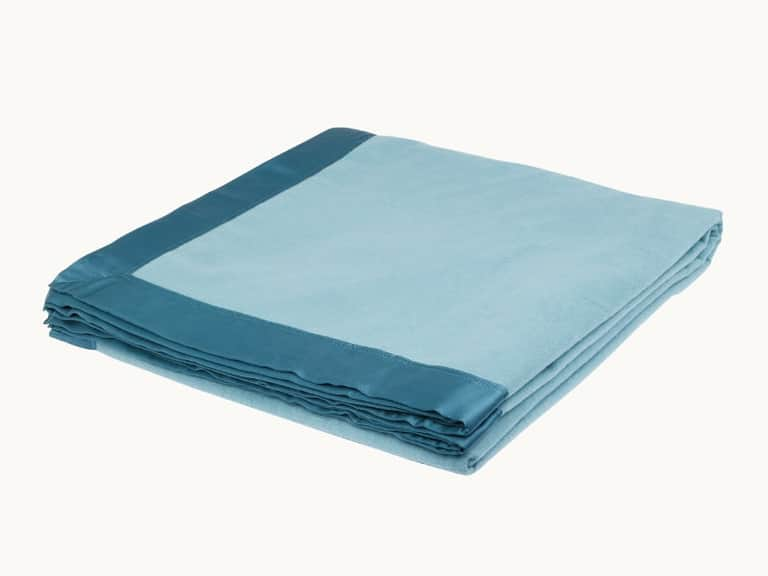
Petrol Blue Silk Blanket by Downtown Company

A 100% silk blanket with a silk border in petrol blue offers a light, breathable layer that drapes smoothly over a bed or sofa and adds a refined accent while delivering practical warmth. Dry clean only to preserve the fabric’s integrity and finish. The silk border adds a touch of luxury to everyday comfort.

Dimensions: 94" x 94"

SilkAll-season
Image:
Petrol blue silk blanket rendering

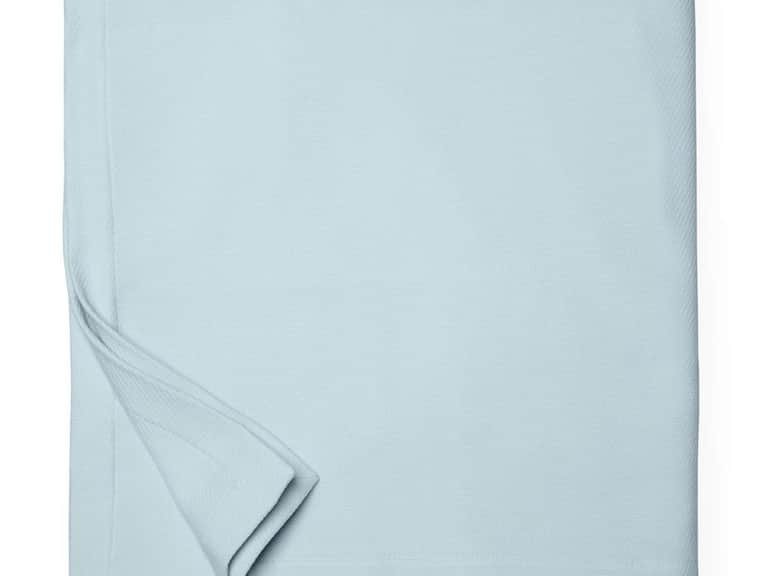
Allegra Blanket by Sferra

Allegra Blanket blends stonewashed cotton with a twill weave for a lightweight, breathable cover crafted in Portugal. It’s easy to care for and adds a refined texture to any bed. Crafted in Portugal from 100% cotton, it embodies breathable warmth and everyday practicality.

Dimensions: standard throw/coverlet sizes available

Product link: Allegra Blanket
CottonTextured weave
Image:
Allegra blanket texture

Note: For a practical buying guide, refer to the sections above that discuss fiber properties, care considerations, and sustainability signals from brands like Naturepedic, Coyuchi, and Downtown Company.

Three key figures in sleep and textile history, across eras

  • Florence Nightingale (1820–1910):” The Lady with the Lamp”

    A pioneer in modern nursing, Nightingale highlighted the importance of environmental hygiene for health. Her emphasis on clean, comfortable, and well-lit spaces laid early groundwork for thinking about sleep environments as a public health matter. While far from modern bedding materials, her insistence on humane, clean spaces informs today’s approach to safe and comfortable sleep settings.

  • Harold F. McGee (1880–1960): Textile science pioneer

    As a trailblazer in textile science, McGee helped demystify fiber properties, weave structures, and fabric finishes. His work underlines why the weave (like herringbone or twill) and fiber (cotton, wool, silk) matter so much in warmth, breathability, and moisture management—key considerations in choosing sleep bedding.

  • Contemporary sustainability advocates: Coyuchi and Naturepedic founders

    In recent decades, leaders in organic textiles have combined comfort with ethics, introducing certifications and traceability that empower consumers to choose bedding that aligns with environmental and social values. Their work demonstrates that durable, comfortable sleep gear can be built without compromising health or the planet.

A closing note on practical choices and everyday sleep

Choosing the right bedding is an act of self-care that respects both science and personal comfort. Start with a breathable base layer—cotton sheets, for example—then add a wool or wool-blend layer for warmth in cooler climates, or a silken layer for a light, temperature-regulating touch. When in doubt, prioritize fabrics with strong moisture-wicking and breathability traits, and always consider the climate you live in, your skin sensitivity, and how you heat or cool your space at night. The goal is not to chase the trend of the moment, but to curate a layered, adaptable sleep environment that supports consistent rest and wakeful days.

This guide has highlighted three directions—sleep and wellness information, interior comfort knowledge, and sleep health literacy. Among these, the Sleep and Wellness Information Hub direction is recommended for its balanced approach to credible science, practical tips, and non-commercial purpose. The selected products above illustrate how materials translate into real-world comfort, from silk’s refined warmth to organic cotton’s everyday softness.

If you’d like, I can craft a detailed site map, branding guide, and a starter editorial calendar that aligns with a Channel A focus on Sleep and Wellness Information.
Related Products

Petrol Blue Blanket

Gingerlily

Petrol Blue Blanket

Wrap yourself in 100% silk softness with a cool-to-the-touch drape. Lightweight yet warm, it adds a refined petrol blue accent on beds or sofas, elevating any room while staying breathable and silky smooth to the touch.
Allegra Blanket

Sferra

Allegra Blanket

Lightweight, breathable cotton blanket with a soft hand and refined look. Enjoy easy care in everyday use, a relaxed drape, and durable, clean 2-inch hems crafted in Portugal for long-lasting comfort.
Downtown Company Silk Blanket

DownTown Company · No. ATH

Downtown Company Silk Blanket

Slip into year-round comfort with 100% silk that’s softly breathable, temperature-regulating, and hypoallergenic, finished in satin for a silky drape—free of dyes or bleach for a pure, clean sleep. Queen or King.

Theme